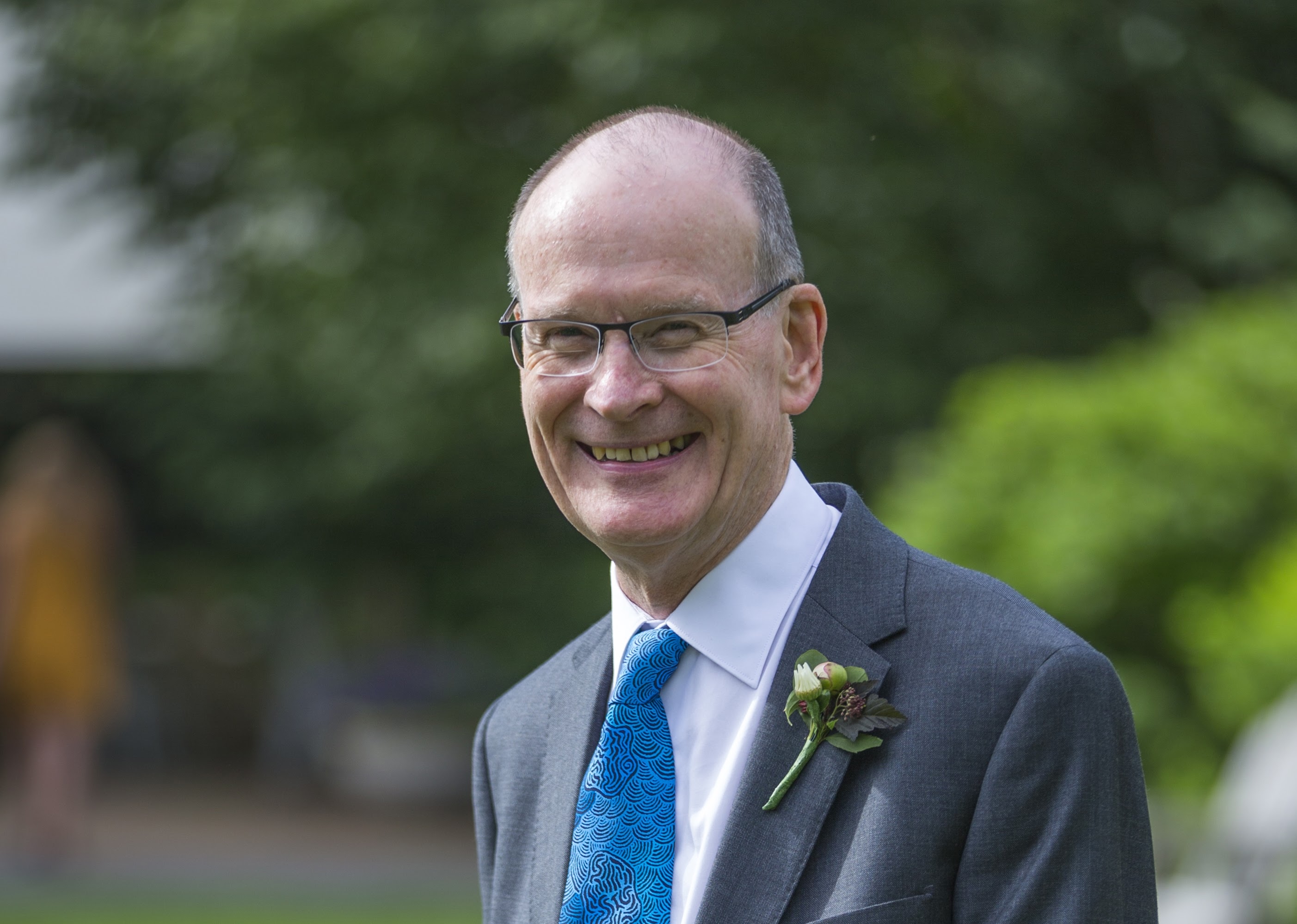
Early Life - Rebecca
I was 12, Jonathan 9, sitting in the back of our Toyota Tarago when Dad leaned round from the driver’s seat, looked us each in the eye and said “don’t move.” We froze, as he slapped on his akubra, got out, slammed the door and locked the car.
Jonathan and I peered out the window after him, barely daring to take breath, watching in disbelief as this man we thought we knew said ‘g’day mate’ in a broad Aussie accent we had never heard before.
We were parked in a little lane in the back of Kings Cross. A boot full of snags and rolls left over from a university bbq, ready to donate to Mathew Talbot - a charity for men who were doing it tough. Men lined the street outside, sitting in gutters, waiting for the next meal.
Having grown up in the neat streets of the Eastern suburbs, to me, this felt like another world.
What I didn’t know then is that this area had once been a familiar stomping ground for dad.
Born in Ryde in 1950 to Betty and Clarrie they soon moved to Kings Cross. Dad described the area as ‘much gentler than now, with a bohemian spirit”. There were artists studios, continental delis, and Sydney’s first coffee shop.
Clarrie was in the Navy, spending stints away from home. He would return with all sorts of gadgets, like an 8mm film camera and once even a car! Meanwhile, Betty took dad on weekend trips to Wollongong to visit her sisters and on outings exploring Sydney. She made sure he could read before he started school.
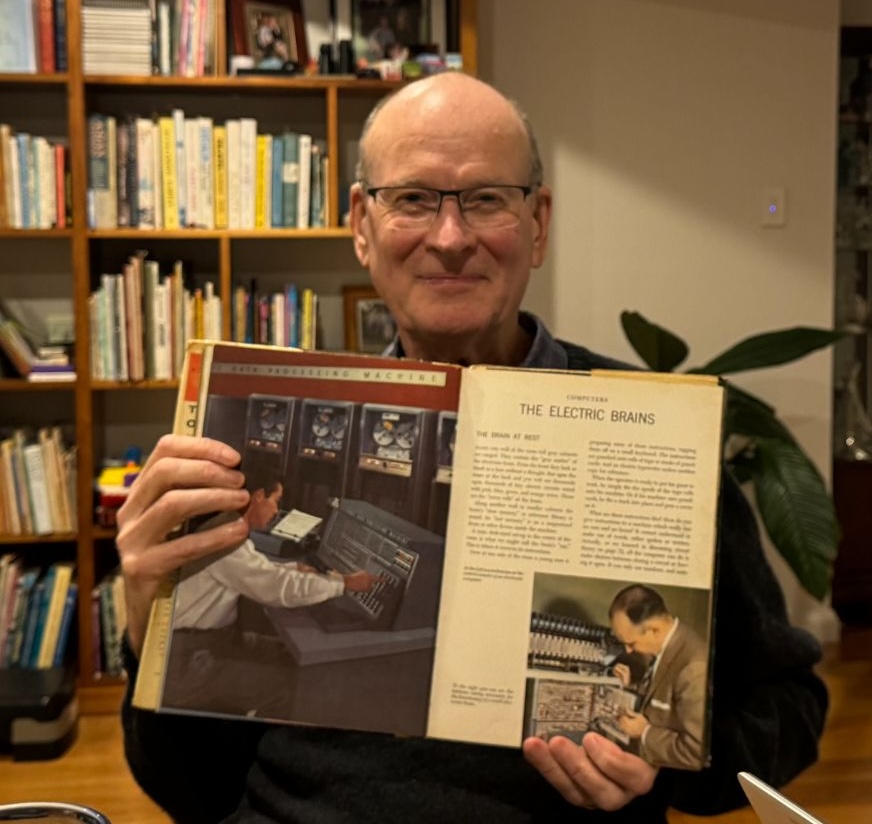
When they moved out to country NSW in 1958, the reading didn’t stop. Clarrie drove 12 miles to the nearest town to buy books and Dad would consume them in an afternoon. It was there he discovered his love for computer science through a single page in a science encyclopedia - a diagram with binary numbers and a big box that could do arithmetic - it was a discovery that opened up a life-long passion for technology.
Dad attended a one room school in Coopernook, where the local kids arrived with no shoes, riding bikes with no brakes - just tough feet skidding to a stop. He was placed in year 4 but was quickly moved to year 5 then year 6. He was an excellent student in every subject, except handwriting.
They had moved because Betty and Clarrie decided to get into the hotel business, and took on the Coopernook Hotel. Living in the rooms upstairs, it was a big change from the neon lights of Kings Cross. Drovers would come through town, holding their sheep in a pen by the pub while they turned in for the night.
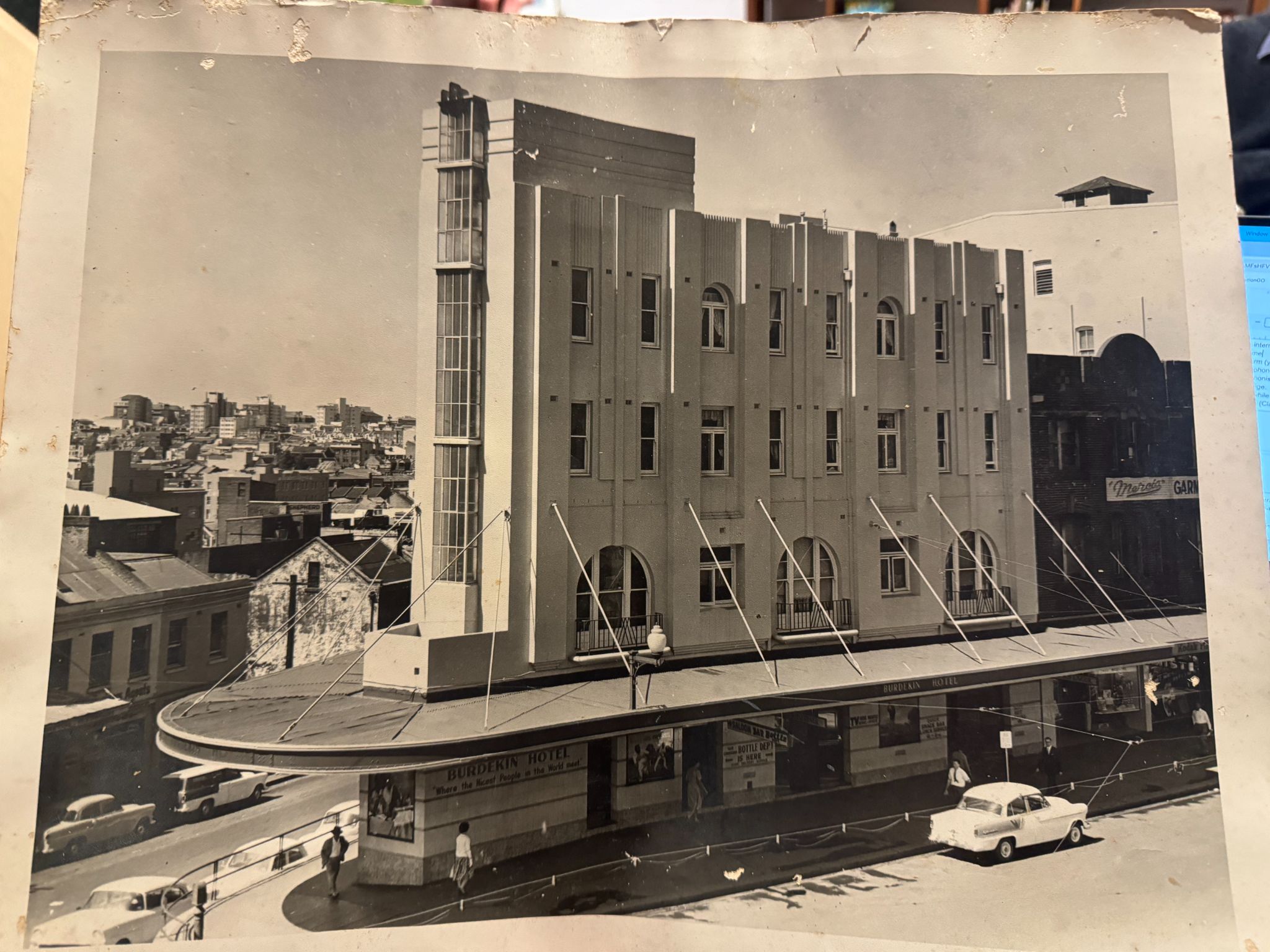
Returning to Sydney in 1960, Dad attended the Woollahra OC class and his parents managed the Burdekin Hotel for a few years, then the Macquarie Hotel by the water in Woollomooloo. The Macquarie was busy, and it was rough. Open 10-10, filled with wharfies, sailors and locals - there were brawls, broken windows and attempted robberies. But there was also music. Ever the innovator, Clarrie turned the beer lounge into a piano bar and hosted live jazz music. Dad had fond memories of listening to many jazz greats including Graeme Bell - the father of Australian jazz.
It was here dad solidified a love for music. He took piano lessons and in high school his music teacher spotted his talent, suggesting he join the St James Church choir in the city. A paid gig, Dad sang there every Sunday for several years.
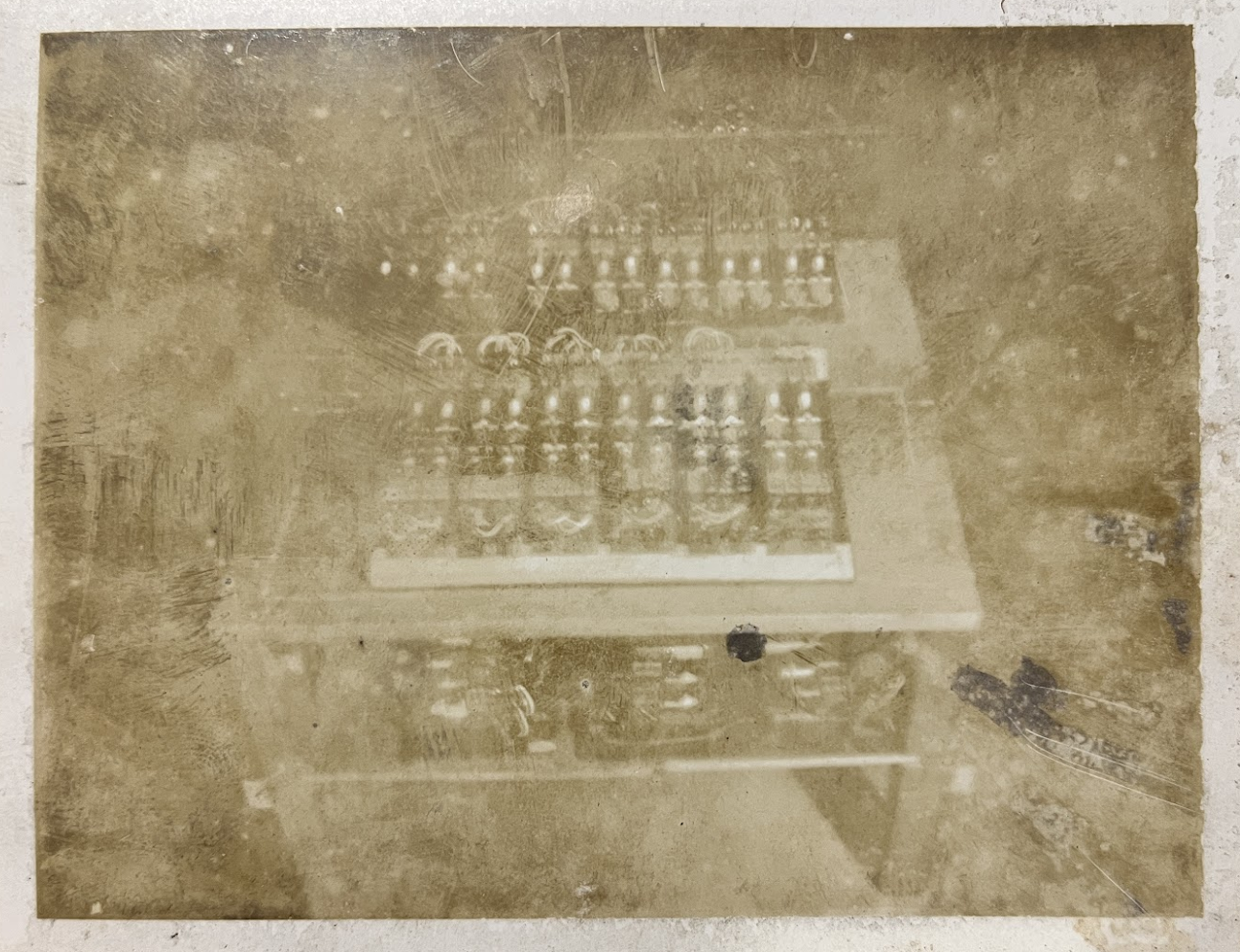
He attended Cleveland St Boys High school - a diverse place with lots of recently arrived migrants. Dad learnt to swear in Greek. He found a group of like minded friends, interested in science and technology. On weekends they would go to the army surplus store and buy bits and pieces to experiment with. In year 10 he and a mate won 10 pounds in a science competition for the computer they built (his mum proudly showed me the newspaper clipping about it 5 decades on).
From the age of 12, dad was given a lot of freedom. He enjoyed going out on his own, exploring the city with his friends, taking his dog for long walks up around Mrs Macquarie’s chair, and going to the cinema. He joined an underground production group called Ubu films. They made abstract movies that dad described as “very artistic”.
Dad continued to dabble in film and lighting once he started uni, staying out to the early hours on gigs. He got a rude awakening when he failed a first year subject, making the decision to refocus on his studies.
In 1972, Bob met Judy, deep in the bowels of the Physics Building at the University of Sydney, affectionately dubbed ‘the yellow submarine’ for its subterranean location and bad yellow paint job. When he met Judy, he said “everything changed for him”.
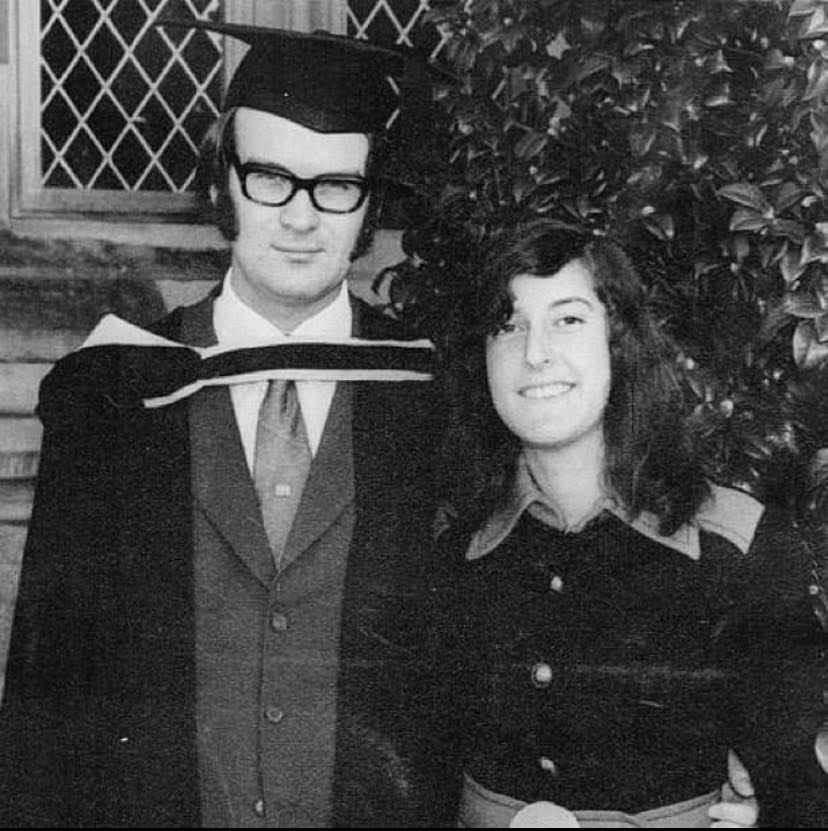
They began to get to know each other as they were rostered on to a helpdesk together. They went out to lunch together a few times. Then for her birthday, Dad bought her an expensive perfume from David Jones - making his intentions known.
When we recorded his oral history we asked “What attracted you to mum?” and he put it simply: “She was very strong, she had lots of ideas. She gave me a book about feminism, and it all made sense.” To him, Feminism meant fairness and he modeled this fairness throughout my life, sharing equally in parenting and household tasks.
Dad instilled in me a love of learning, a dedication to service, and a deep sense of fairness.
He never told me to be these things. He showed me.
That little girl in the back of the Tarago watched him heave crates of food for strangers without fanfare or fuss — no announcement, no explanation, just the quiet assumption that this was simply what you did. He got back in the car and drove home. He didn’t need us to understand it then. He trusted we would, one day.
And we did.
I watched him champion Mum’s career with quiet firmness — not with speeches, but with steady, patient action. I watched him read widely and think carefully, bringing that same curiosity to the people around him - always more interested in others’ ideas than in broadcasting his own.
There were no grand gestures with Dad, but a lifetime of small, consistent choices: the tenacity of those early computer builds, a mind always open to new ideas, the ‘g’day mate’ in a stranger’s accent. Each one a quiet choice that accumulated, over a lifetime, into the measure of a man.
Dad, in every small and steady choice, you gave us everything we needed. Your memory will be a blessing, always.
Career - Jonathan
“Check this out!” With those three words, dad would show us a cool new piece of technology he had gotten his hands on. Everything from digital cameras in the 90s to livestream video editing tools in the last few years.
Rebecca has already mentioned where that excitement about tech began. I’m going to share the way it shaped his career.
When dad started at university there was no School of Computer Science, not even a course in computer science. In his second year they introduced one, but he wasn’t allowed to take it because he was repeating first year, making up for the experimental-film induced subject failure Rebecca mentioned. He went along to the new CS course anyway and when he topped the class the university let him have it on his transcript. He took every computing class they offered after that.
Outside of class he was experimenting with computers. In 3rd and 4th year he developed BIFoCal, the Basser Interpretive Formula Calculator, which allowed people across campus to sit at their desk and write programs that ran on a KDF-9 computer over in the physics building. Remember, this is before the internet, when a computers were the size of a room. This project was the start of his interest in creating computer networks, but his honours supervisor told him to stop wasting time and focus on his thesis. He was one of two students who received first class honours that year, after several years where no one did. Both before and after honours he received job offers, to work on spy satellites at Pine Gap, and at a research institute in Adelaide, but he stayed at Sydney for a PhD on parallel parsing, supervised by Ross Quinlan, a leader in AI and compilers.
His first job at the university was as a research assistant working on various projects. Including one about communication, repurposing a satellite that was no longer in use to communicate with a research group in Japan.
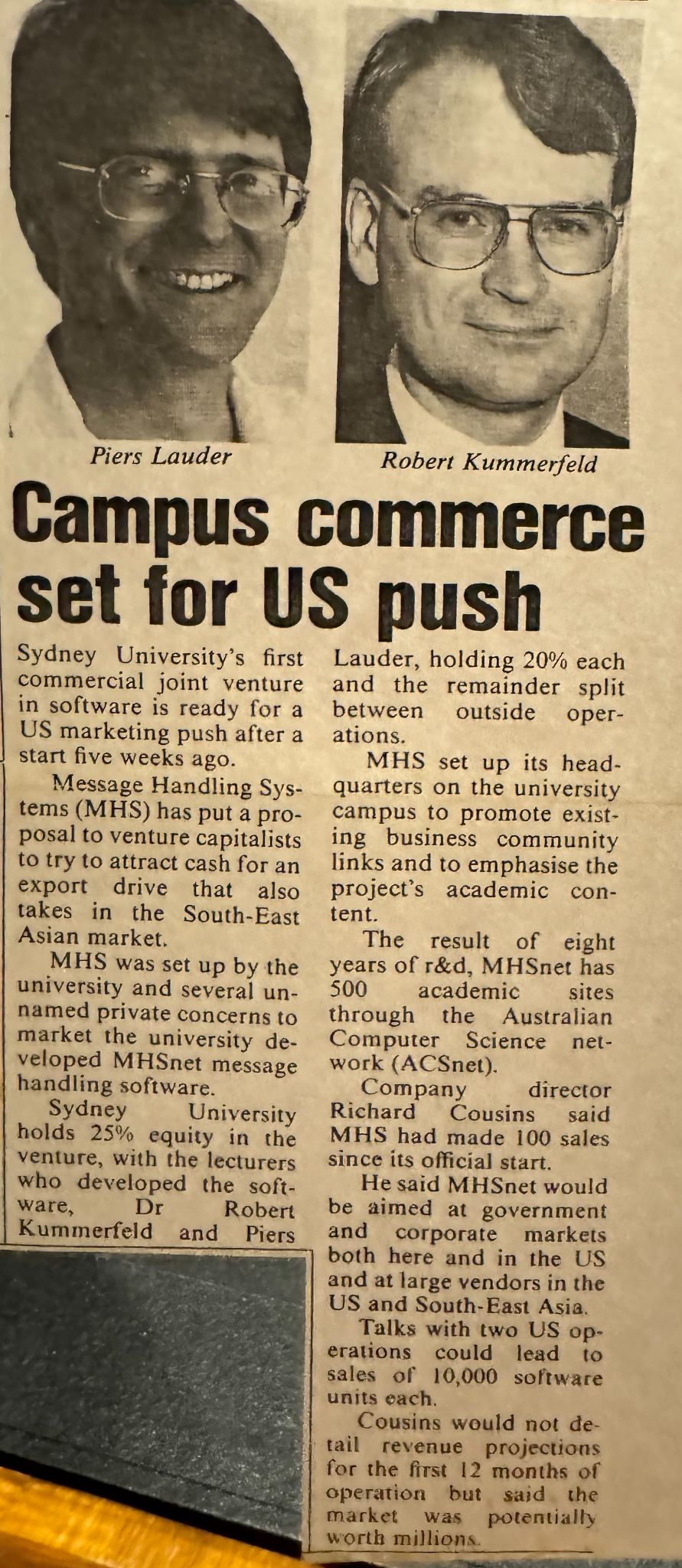
He became a lecturer in 1978 and began working with Piers Lauder to develop technology to connect computers over unreliable telephone links and noisy radio connections. This allowed them to connect universities across Australia with each other and over to the US based ARPANet. They commercialised the technology as Message Handling Systems, which built networks for a range of clients, including providing secure messaging services for DFAT’s worldwide offices.
In 1989, dad worked with NASA and Melbourne University to connect Australia to the internet. They used a connection from Hawaii that went through Sydney and down to Melbourne. At the same time, he started one of the first three Internet Service Providers in Australia and became engaged in the committees setting standards for the internet. If you’ve ever attached a file to an email or inserted an image, you’ve used the standard that dad contributed to.
In the late 90s, his interest shifted to networks for devices, what we now call the Internet of Things, and he began collaborating with mum on user modeling, particularly focusing on the back-end protocols. He was the driving force behind a grant that ran for 14 years, the Cooperative Research Centre on Smart Internet Technology, which supported many PhD students, and paid for a new lab, with mum and dad’s offices at either end of an open plan area for their students. They developed a range of novel ways for computer systems to be a part of our environment, with new touch interfaces and interactive displays, technologies we all take for granted today.
Rewinding slightly, in the early 90s, dad was the head of school for Computer Science. As well as excellent technical skills, he understood people. At that time there could only be one full professor in each school and dad could see how the university was losing great academics who would go elsewhere to get promoted. He pushed to allow multiple professors, and then recruited John Rosenberg.
In 1994, the whole family moved to Madison, Wisconsin for a sabbatical at one of the leading universities in networking and systems research. Dad was excited about everything happening to the internet, attending the World Wide Web conference in Chicago, where attendees were imagining the reality we have today. Dad was creating websites of his own, including one on coffee, an enduring passion, which was featured in the Sydney Morning Herald.
After returning from sabbatical, mum and dad had the idea to create a summer school for high school students to encourage interest in computer science. They brought in 60 students from across the state, with equal gender balance. The focus was on learning how to build websites, but for many it was also the first time they had connected with people who had similar interests. Some of those students came to Sydney and were eventually PhD students with mum and dad.
The late 90s also saw dad return to the role of head of school. He could see the growth of interest in computer science and took two steps in response. First, he worked to expand the school, getting industry support for three additional Professor positions. Second, in 1998 he started a campaign for a new building, seeking industry tenants to share the space and pitching the idea within the university. After stepping down as head he spent half his time focused on the building, working with the architects to create spaces that encouraged collaboration.
Of course, research isn’t the only part of an academic’s job. There is also teaching. His first task in 1978 was to develop the university’s first introduction to computing course. He was continually innovating. Through the 80s he created courses in networking and computer architecture, often with no available textbook because the technology was so new. In 1982, he developed a course in which students designed a chip to handle network connections, dealing with collisions in attempts to communicate over the wire.
I got to experience dad’s teaching directly, when I took the class on C programming that he taught with mum. That was good for news for mum and dad since it meant they wouldn’t do any marking! I enjoyed the class. Mum and dad might not have thought that because I fell asleep in their lectures, but in my defence, one of the lectures was after lunch.
Mum and dad collaborated on other classes too, including making in 2000 what we would now call a flipped classroom. After retiring, dad continued to teach and steadily improved his video production skills. His materials for the operating systems course continue to be used today. He also explored his love of cooking after retiring, creating elaborate shabbat dinners, with intricate cakes, often combining elements of multiple recipes.
46 years after creating that first introduction to computing course, the last course he worked on was also introduction to computing, this time creating videos and exercises for a flipped classroom. He kept working on it after his diagnosis. That choice tells me two things. First, he cared deeply about teaching the next generation. Second, before his diagnosis he loved the life he was leading, because when faced with only having a small amount of time left, he continued doing what he had done before. Thousands of students watch those videos every year, and will into the future.
Community and Interests - Sarah
I was a teenager when dad took me along to his favorite Jazz club. I remember walking up to the entry where Dad asked for one adult and one child ticket. The bouncer pointed to the 18+ sign, so without missing a beat, Dad said, “Oh right, two adults please” and in we went.
My Dad loved music, especially Jazz and Klezmer. From the time I was a small child, Dad shared music though playing records, then tapes and CDs, singing in the car.
He supported us to learn musical instruments, quietly encouraging us without pushing. Introducing me to remarkable Jazz, Klezmer gypsy violin music, driving us to hundreds of orchestra rehearsals all over Sydney and helping to record the first Emanuel school CD.
Dad’s love of Jazz continued throughout his life. Decades later, he discovered East Side Radio — 2RES FM — a community jazz station in Sydney, run by volunteers. He trained to become a radio presenter, joined the board and acted as a stand-in host for the Gypsy/Klezmer show. In classic Dad problem-solving style, when he realised the station cut over to the BBC world service overnight, he devised a way to instead play continuous Jazz. Combining his computer science research with his passion for Jazz, Dad built an automated overnight system for listeners to request songs online and vote on tracks to shape the next night’s program. This was in the 1990s long before streaming services were available. The station won the Tony Staley Award for community radio for that work.
Our Dad was proudly Jewish and incredibly dedicated to the Jewish Community. He converted to Judaism in 1974 and throughout his life continued to learn, taking Hebrew classes, learning Jewish music, helping to start the Emanuel School and making sustained contributions through CSG - the Community Security Group.
Bob’s journey to becoming Jewish started when he met Judy. As their relationship grew, Judy explained that Judaism was a very important part of her life. Bob decided to learn more. To begin with, he studied with Judy, sitting together outside the physics building at Sydney Uni, learning from a children’s Hebrew primer. As he learned about Jewish practices and beliefs, he described it simply: it all made sense to him. The philosophy, the ethics, the emphasis on community and family. Nothing felt foreign. He embraced it completely.
Together with Mum, Dad brought Judaism into our home. He loved the singing, learning shabbat and Israeli songs at many shabbat afternoons with Dina and Rabbi Brian Fox. When Brian shared his vision for a progressive Jewish day school in Sydney, Bob and Judy were among the first to step up and help make this a reality.
The school soon grew out of its temporary home at Emanuel Synagogue. Bob helped look for a new home. In 1984, they were lucky to purchase the site in Randwick. On the 1st of January 1985, Bob was there when the keys were handed over. Enormous bunches of keys, to open the dozens of rooms that had been nuns quarters. In the weeks that followed, he took time off work to help with the renovations. I remember going with him to help clear out decades of accumulated belongings, cleaning, and organising. The buildings were beautiful but worn.
The early years of Emanuel School were not easy. There were moments of real worry about whether the school would survive. Bob and Judy stayed committed through challenging times. Over the past 40 years Emanuel School has become a thriving Jewish dayschool.
Dad’s commitment to community expanded in the early 2000s when he joined the CSG. He served on the ground at synagogues, school events and community functions for 9 years and rose through the ranks to senior roles.
In September 2009, after a CSG training session, Dad had a cardiac arrest. CSG colleagues performed CPR, saving his life. From that time on he could no longer serve on the ground. Instead of leaving the group, he volunteered in coordination and support roles. Through CSG, Dad contributed thousands of hours volunteering over 20 years to keep our community safe, only retiring when diagnosed with brain cancer in 2024.
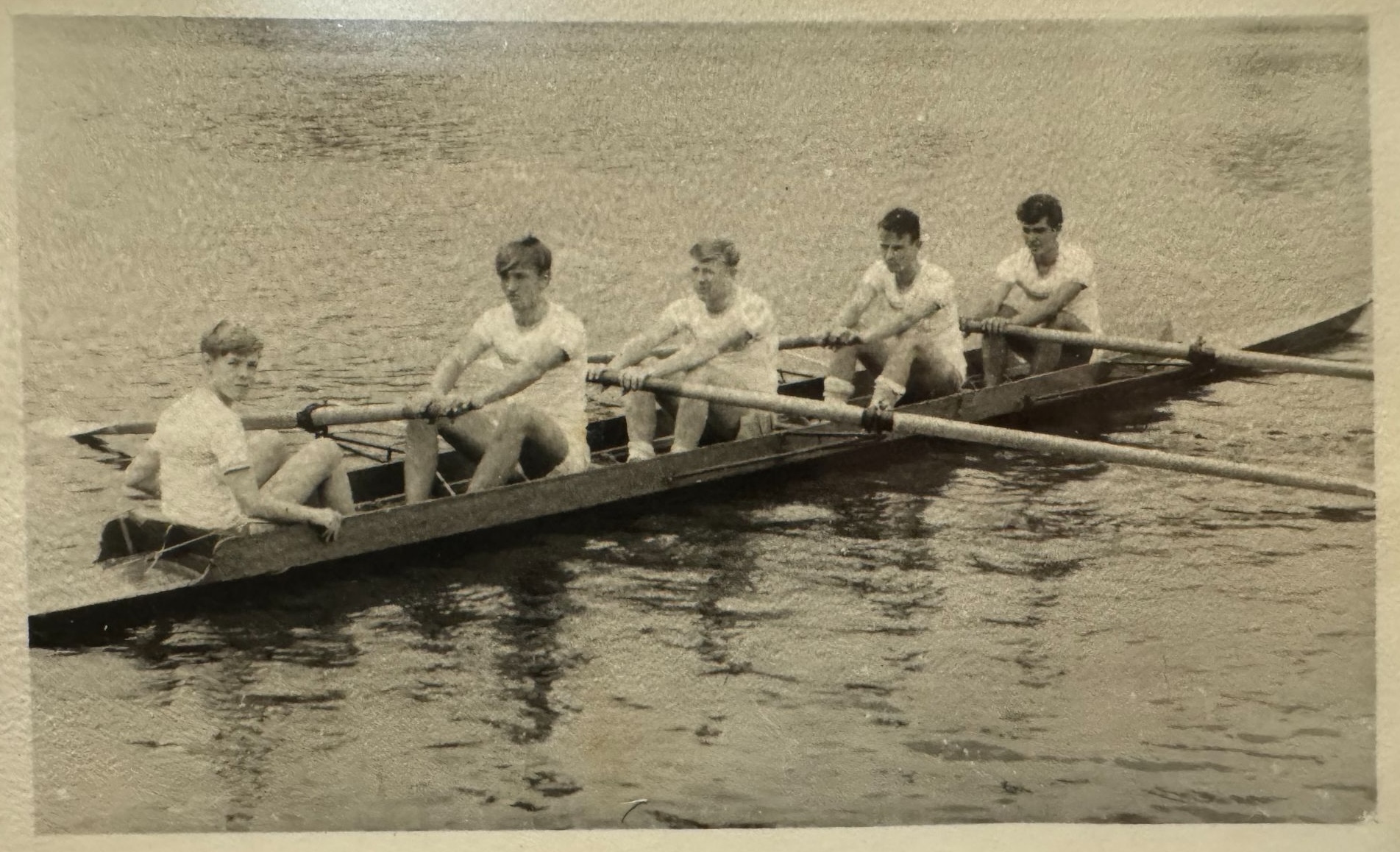
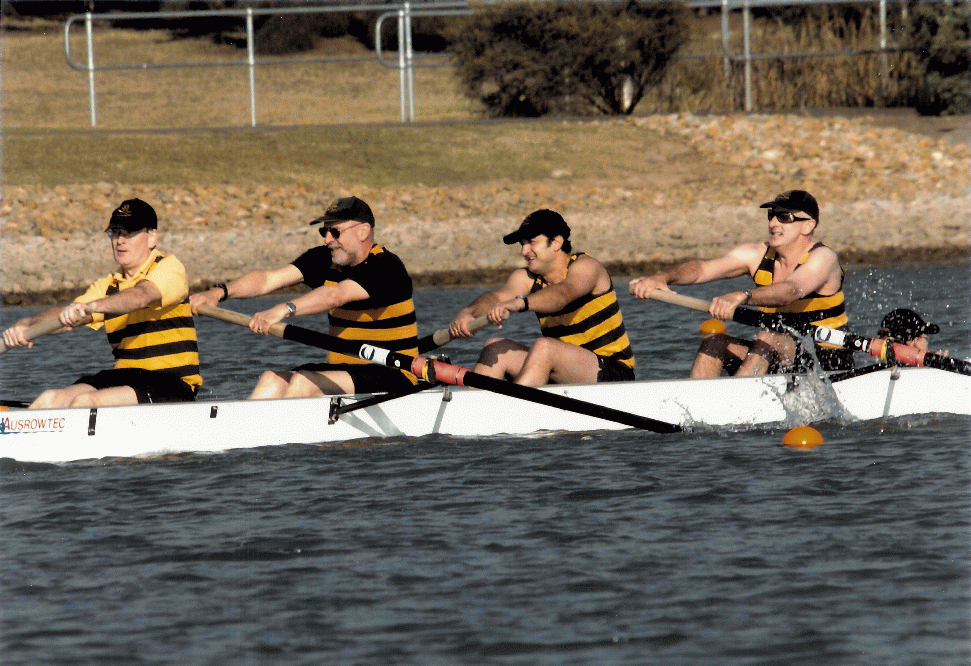
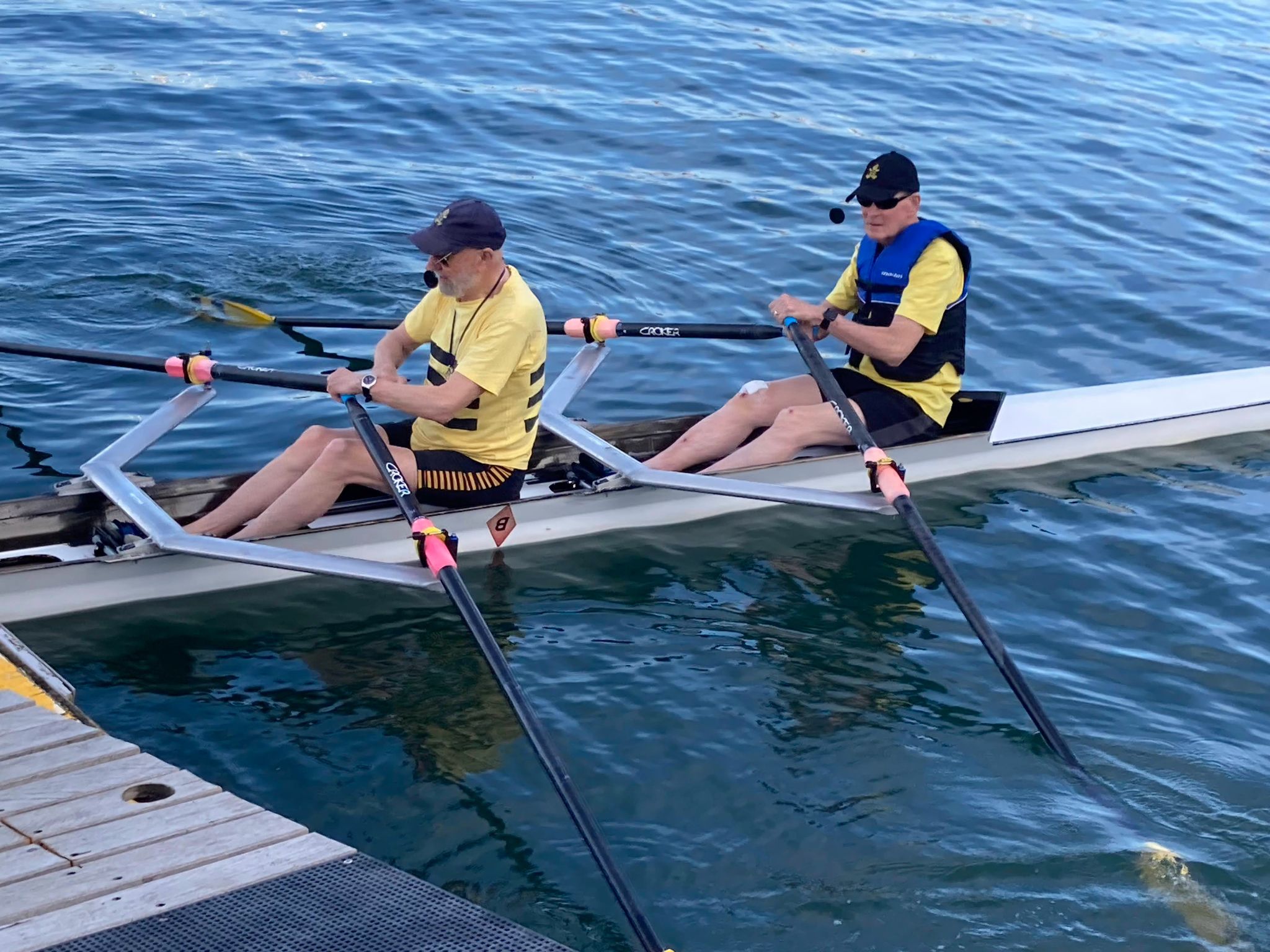
Dad also had a passion for exercise and physical wellness. He was dedicated to fitness, a regular runner, gym goer and rower. In 2003 he and Jonathan took a learn to row course at Balmain rowing club. For Dad this was a return to rowing after almost 40 year hiatus. He was a dedicated member of the Balmain club, his quad placed in the top 5 in the NSW state championships. Even after his cardiac arrest, Dad kept rowing, going out on the harbor every week in a double with his friend Peter. Dad’s brain tumour barely slowed him down, he continued to row right through treatment and lifted weights. Just a few months ago he proudly told me that he had beaten his squat record, lifting 120kg.
Dad approached his cancer diagnosis like the rest of his life: with pragmatism. He had long hoped to do what he described as ‘squaring the curve’, staying fit and healthy right to the end of his life. He announced that his job through this cancer journey was to stay calm, because stress would not help anyone. And he did this to the end.
We were very fortunate that Dad was able to spend his final months at Montefiorie. He rallied when he moved in, gaining back capabilities and enjoyed a huge variety of music, shiurim and lectures. The Montefiore staff, volunteers and our two carers, Anna and Angela, and many of you helped us support Dad during his final weeks. We are so grateful to all of you, thank you.
Dad was a consistent steady support for me throughout my life. We spoke or exchanged messages almost every day, including during the 16 years I was living overseas. Dad was always encouraging, but never pushy. He had a talent for finding ways to motivate me to be my best self.
We will miss him every single day. But we carry him with us — in the music we love, in the community we support, in the school we helped build, in the way we show up quietly for the people we love.
Zichrono Livrocha, May his memory be a blessing